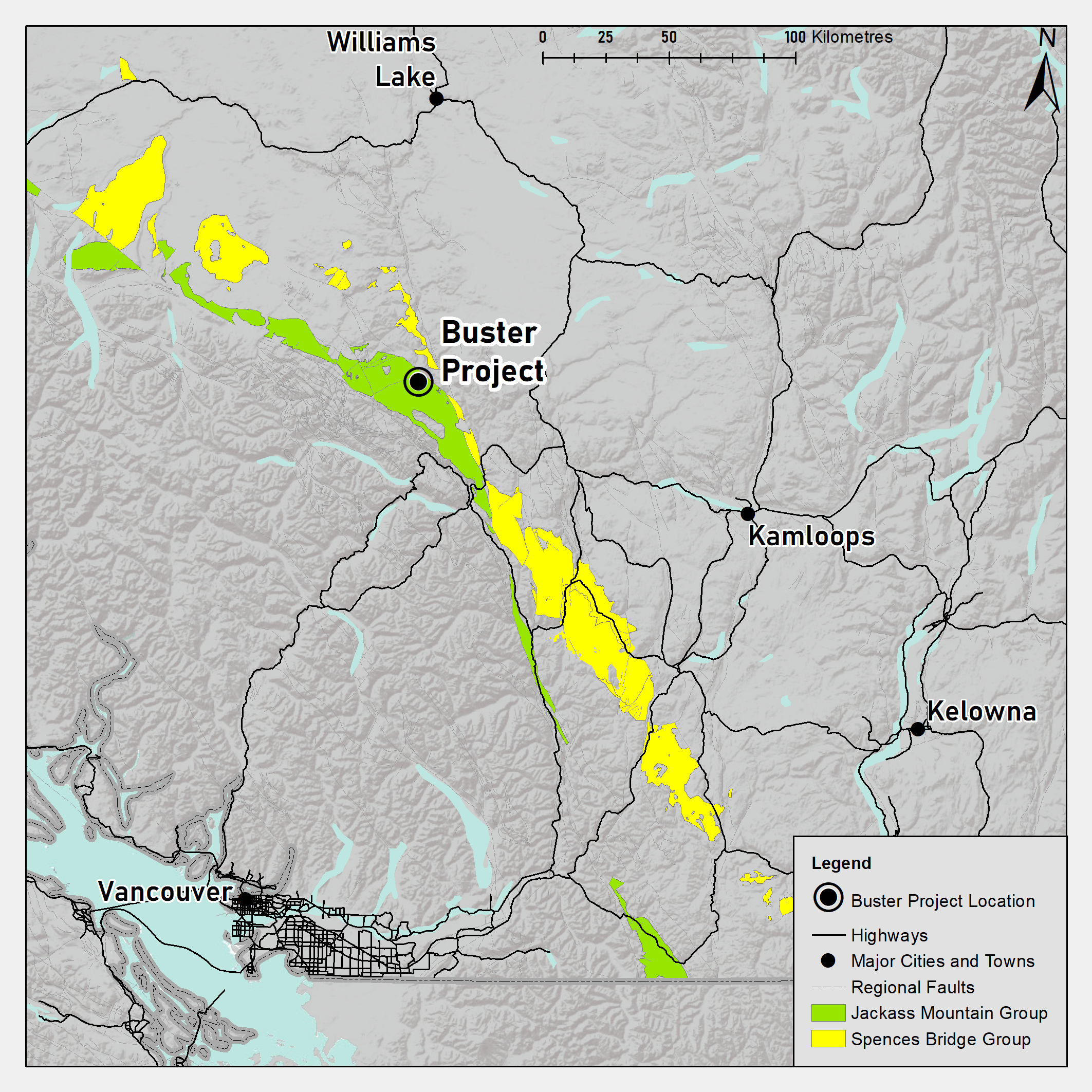
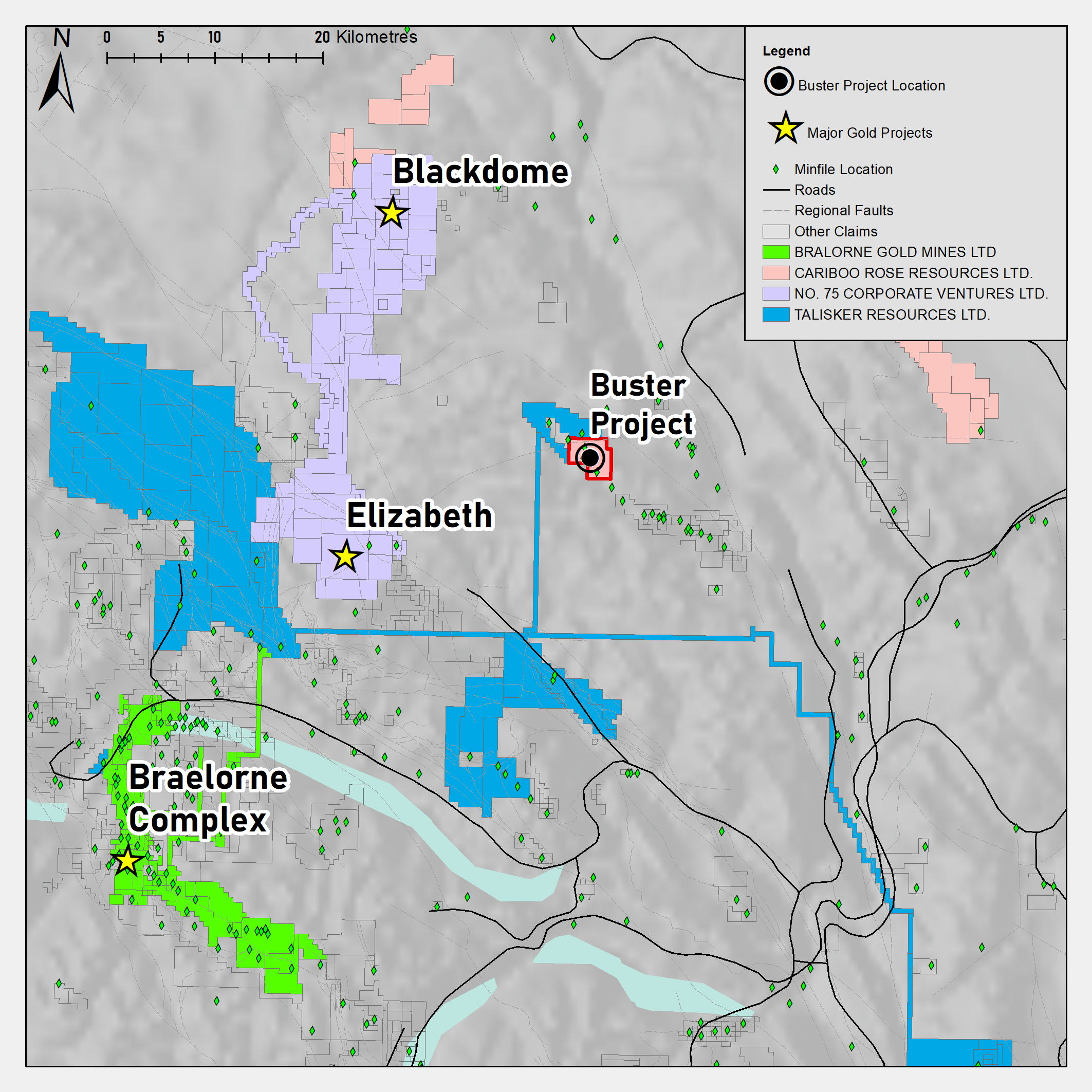
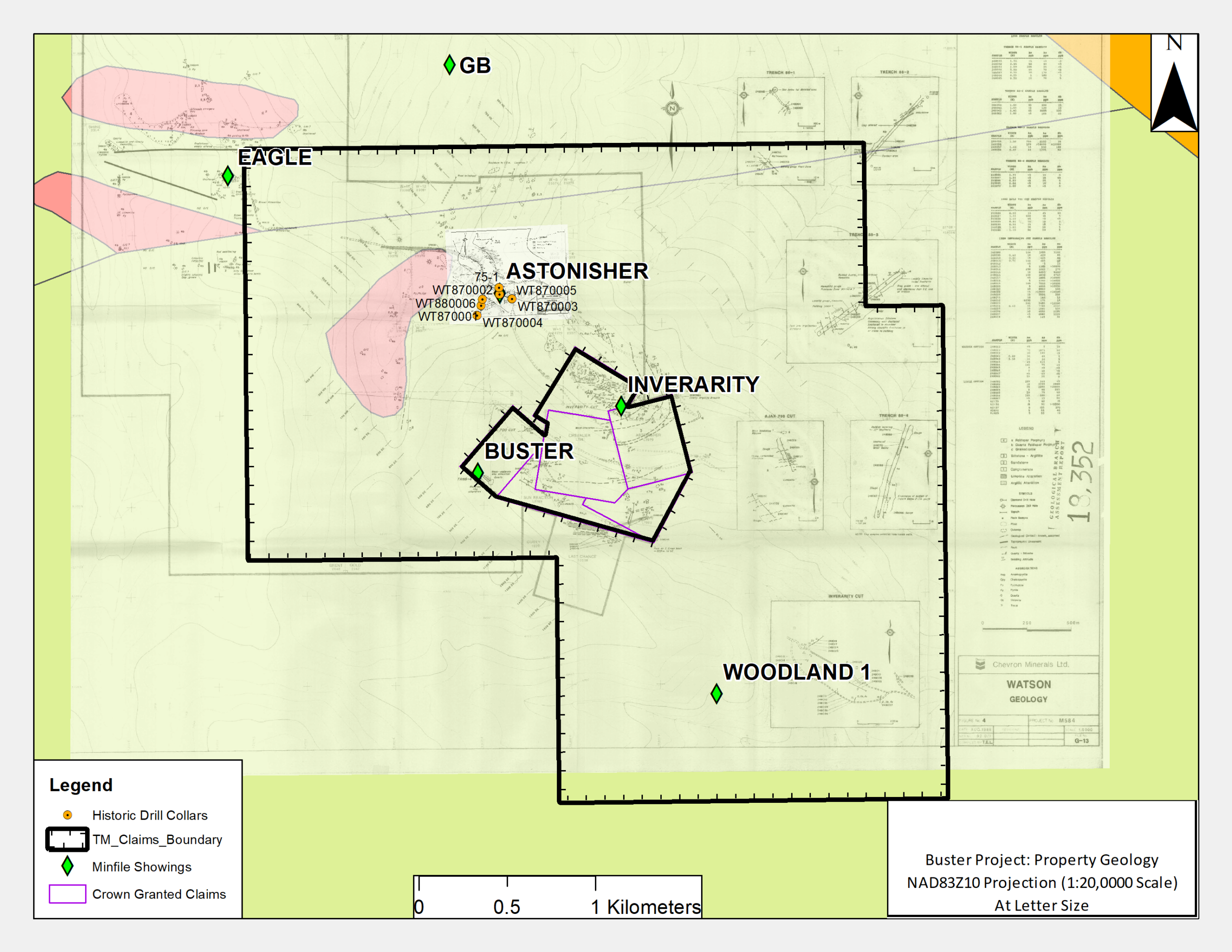
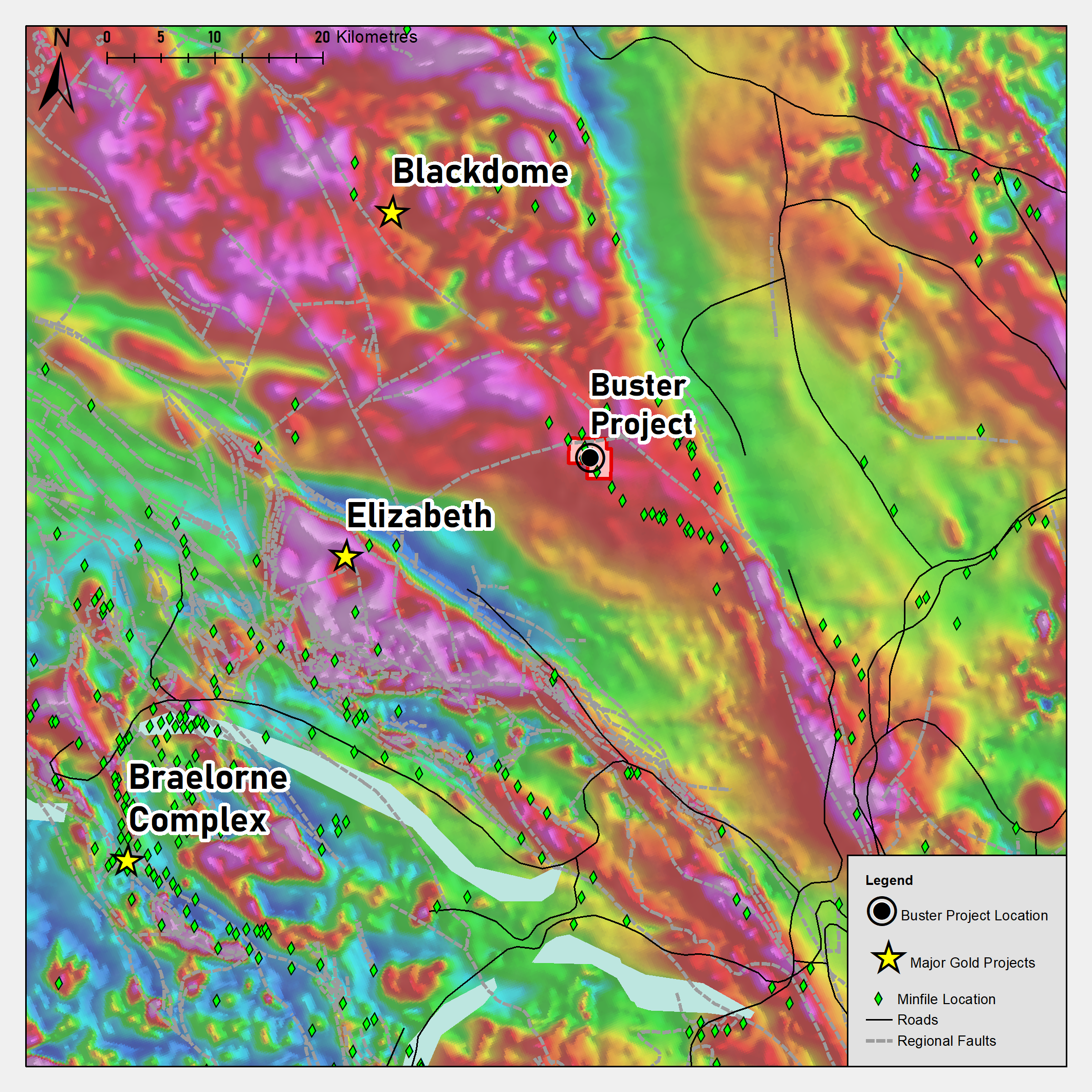
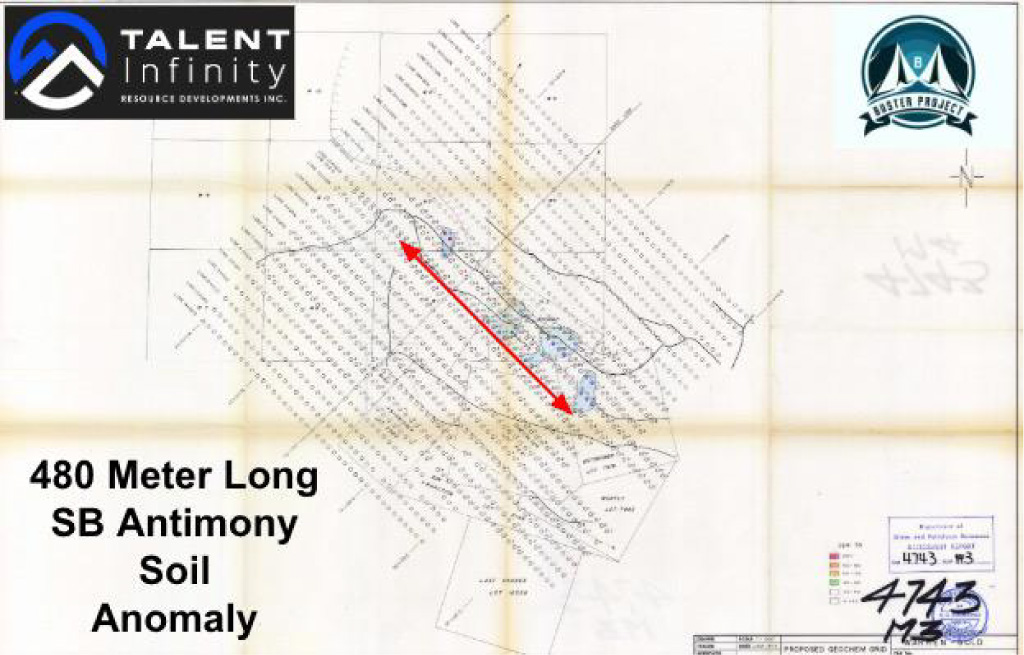
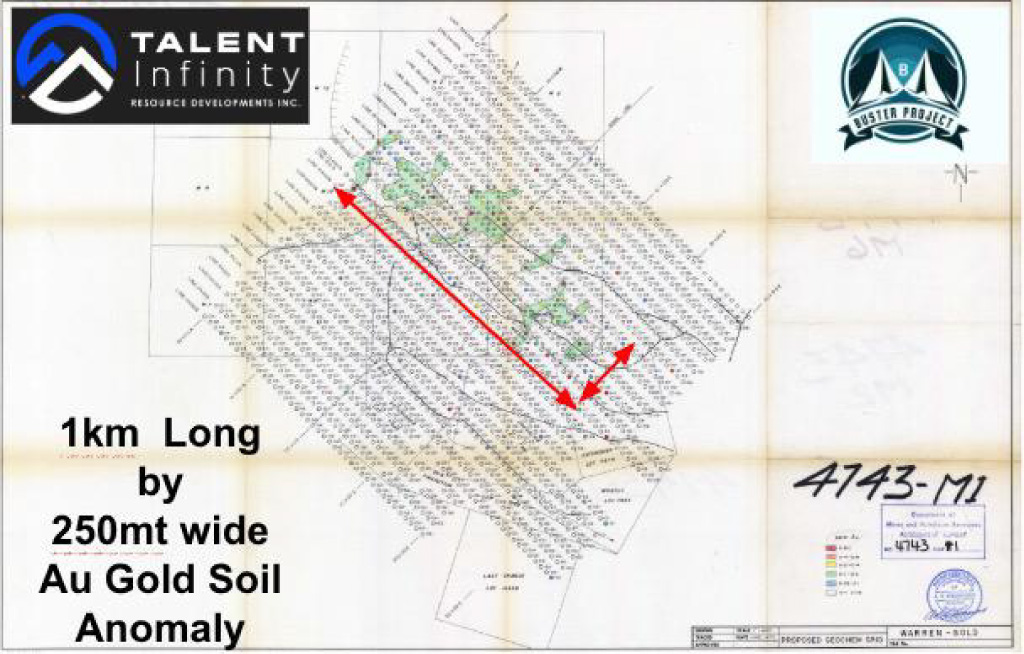
The region’s geology has provided favorable conditions for both antimony and gold mineralization, specifically in areas where intrusive rocks meet sedimentary layers.
These rocks have been extensively intruded by quartz-feldspar porphyry sills and dykes, which have locally mineralized with fine pyrite, arsenopyrite, and stibnite.
Antimony mineralization at the Buster Project is closely tied to the presence of stibnite (antimony sulfide), which occurs in narrow veins and disseminations near the contact zones between quartz-feldspar porphyry and argillaceous siltstone.
Gold mineralization in the Buster Project is spatially related to both the intrusions and the fault zones. Gold is often found in veins and veinlets associated with quartz, arsenopyrite, and stibnite.
Qualified Person:
The technical information contained in this news release has been reviewed and approved by Graham Giles, P.Geo., VP of Exploration to TICO, who is a Qualified Person as defined under National Instrument 43-101 – Standards of Disclosure for Mineral Projects
Get notified about the latest company news and updates by signing up below.